Threads
- Textiles, towns and teams

Scotland's and therefore Global Football's History's
On-line Forum
Word is that the Scottish Football Museum is planning an exhibition of the warp and weft of textiles in the Scottish game. But it is unlikely that even it fully understands all the filaments and their sources, the five, wool, cotton, silk, flax to linen and jute to hessian, that are woven into our football and therefore, because without the former there would be no current latter, the global game.
And, even if the exhibition takes place, it is unlikely that much will be known about it outwith the one fifth of our country that is the Central Belt. That is the way of most of the institutions that are located in the Glasgow-Edinburgh axis and the SFM is no different in its notion of nation or understanding of locations, even if, as in this case, former centres for at least two of the textile's are more than a good way from Mount Florida. However, we at the SFHG and without those Hampden, geographical biases and with the aid of the internet are able to overcome and even pre-correct. So here goes.
_________________________________________________________________________________________________________
Glasgow 1867
It is unlikely that Scottish Association football would have started as it did withouts threads, in this case the Cockney use of the term for cloth and clothes. The early, 1867 Queen's Park, the doyen of our clubs, was in large part one of drapers and haberdashers. They sold wool, cotton, linen, silk and lace, retail and wholesale.
Its foundation meeting was held in or around the corner from its first President's haberdasher's shop. He was Mungo Ritchie. Its first on-field captain and second President, Lewis Black, was a drapery salesman as was also third President, James Grant. And from the beginning work, indeed careers, for a good few of its later players frequently was found in the same trades, as salesmen or in cloth warehouses in the city. (See The Glasgow Four Miles Trails)
_________________________________________________________________________________________________________
Paisley 1877
And with the spread of the game outwith Glasgow specifically to Paisley now cotton thread was to become involved and remain so globally for another half a century. In 1877 two teams were formed in the town. The first was St. Mirren and very shortly after Abercorn, the Honorary President of which and for the next six years until his death was Thomas Coats. He was one of the sons of James Coats, founder of one half of what would eventually from its Ferguslie Park mills be the Coats-Clark group of companies with operations around the World. But just now attention would be confined to the then booming Renfrewshire town as from 1883 Major Thomas Glen Coats, later Sir Thomas Glen Coats then picked up his father's footballing baton and carried it for the best part of fifty years.
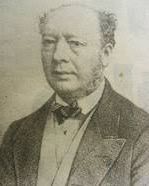
Thomas Coats
_________________________________________________________________________________________________________
Kearny, New Jersey, USA 1883
But the baton had within the town clearly been taken up by others, and by the for-the-moment rival thread makers, the Clark family from its separate base in the centre of Paisley itself at the Anchor Mill. In 1865 it had already started a relatively small, American operation in Newark, New Jersey overseen by William Clark, also from the Renfrewshire town but a separate family. But by a decade later and with business booming a new and far larger complex across the Passaic River in Kearny was planned and began to be built. And with expansion additional cotton workers from mainly Scotland and Lancashire were brought in, with them coming football to the point that in 1883 a works club, Clarks O.N.T., had been formed with William Clark Jnr, son of the original plant manager, as vice-president, and Campbell Clark, of the owning family, president.
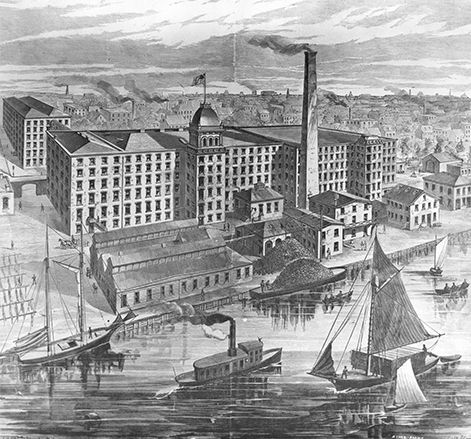
Clark Mills, Kearny
In fact, although the younger William Clark would play in the club's first fixture, the team rapidly was taken over by the English element in the mill-complex, even bringing in Lancastrian shamateur, essentially professional, players, with the result that a separate Scottish team was formed based on the town, Kearny, that grew up to house the mill-workers; a team that exists today as the Kearny Scots American Athletic Club.
_________________________________________________________________________________________________________
Paterson, New Jersey, USA 1884
In looking at the arrival of football, of soccer, in the United States five names seem to stand out. They are Lennox, Craig, Hood, Grant and Turner, all Scots names, with the last of these of immediate interest. The American Cup, the USA's first major, soccer trophy, was first played for in 1884-5. Six teams took part, from New York, New York F.B.C., and from New Jersey, Caledonian Thistle Club and Paterson F.B.C., both from the silk-weaving town of Paterson, and from cotton-thread environs of Newark, Clark O.N.T., Domestic and Kearny Rangers. The two Paterson clubs would lose in the first round. O.N.T. would be the first champion.
In the second playing in 1886 O.N.T. would take the trophy once more, as they would in the third. The Paterson clubs now reduced to one, the Caledonian Thistles, on second iteration made the second round but more significantly its team now included a Forsythe and two Turners, A. and the captain, W. Indeed both had been part of the unofficial American team that had faced but lost to Canada in Newark in November 1885, the latter left-half, the former a forward. And both were also to be there, the following season, 1887, now for Paterson, with A. refereeing and W., still playing and now identified as William. Moreover, said William, whilst he soon seems to cease to play a season later he appears to have gone on to make a considerable mark both on and off the field. In 1889, 1890, 1891 and 1892 he too was refereeing. In the middle two years he had the whistle in the Cup Final itself, first a neutral in a match-up between Fall River Olympics and Kearny Rovers and then as President of the sport's then governing-body, the American Football Association (AFA). And in the last still only at the age of twenty-eight he might even have taken to the field as a player once more in a Paterson Thistle team that in defeat to Longfellows from New York included three Turners, W., T. and J.
So who was William Turner or rather, who were William and A.Turner. The answer is that just now no-one knows for sure. However, there are possible pointers. In 1847 in "Loudoun", Galston, Darvel and Newmilns, Paisley-born, so cotton-thread, Alexander Turner married Newmilns, so silk and lace, girl Margaret Morton. In 1851 they are still in Newmilns with their first two children, Mary and Catherine, he a "tenter". And they would stay in Newmilns until about 1859 as three more children were born. But by 1860 they had moved to Glasgow to Hutchesontown, where he worked as a bookseller cum stationer for perhaps three years. There two more children including Archibald in 1860 were born before a possible return to Newmilns, albeit temporary. Their third son William would be born there in 1864 before their final child, Alexander, back in Glasgow four years later.
However, mother, Margaret, would die in Glasgow in 1880 and that seems to have led to the rest of the family perhaps bar eldest son, James, who was Australia-bound, immediately emigrating to the United States. That same year and the next they are to found in New Jersey, in Paterson. Father Alexander is a silk-weaver, 20 year-old Archie a twister, sixteen year-old William set to be a silk weaver/warper. And they would soon settle into the large, local Scottish community. In 1884 Archie Turner would marry a certain Maggie Forsythe, born in Kirkintilloch. In 1887 William's wedding would be to Elizabeth Muter, born in Lanarkshire. And those two dates would match closely those of the two at least hanging up their boots, albeit it seems in the latter's case briefly temporarily.
But clearly William's association with the game he loved and learned in Ayrshire and Glasgow seems not to have ceased with the Presidency of the AFA in 1891. He was re-elected to the same post in 1894, was refereeing in 1896 and was both refereeing and Vice-President in 1897, with the previous year the same position being held by a James Turner also of Paterson. That was before the American Cup was suspended until 1906 and a Herbert Turner of Paterson was elected Correspondence Secretary. Alas neither of these last two seemed to be related, either to each other or the brother, who preceded them.
Archie Turner would raise a family in Paterson and both he and his wife seem to have died in the 1920s in the town. Of his brother, the far greater carrier of the football contagion from native Scotland and implanter, as pioneer player, referee and administrator, in his adopted America the information is more concrete. He too would raise a family, including an eldest son, Alexander, and a youngest, Archie. And William is known, aged seventy-one, to have died in 1935 in Haledon, north of Paterson and where he had lived for several years, to be buried at Paterson's Laurel Grove Cemetery.
_________________________________________________________________________________________________________
Dundee 1885
IIn the first half of the 19th Century many of Scotland's towns and villages would have sounded to the clatter of hand- looms. But, whilst with mechanistion Paisley would be the centre for cotton, it was Dundee that became the one for the production from hemp and jute. And meanwhile football had come to the city and it was the son of local linen-loom manager cum jute manufacturer at the town's Rosebank Mill, who would take the game across the North Sea to Denmark, specifically to Copenhagen.
Jute is said to have arrived in Britain from Bengal in 1820. Flax, although it grows in the British Isles, traditonally came from the Mediterranean in ancient times and also thrived in the Baltic states. And these locations are probable reason why the treatment and weaving of both would become a staple of Scotland's east.
Indeed it is estimated that at its peak there were sixty jute mills in Dundee, known then as Jutopolis, and the same number of ancillary industries and other mills with perhaps 50,000 employed overall. At the time Rosebank St. itself would have been lined with works. Now there are none, the last closing in 1998. All that remans is the excellent Jute Museum located at the former Verdant Works. It is well-worth a visit.
But back to the football and the Danish capital. The man largely credited with the games introduction there as early as 1885 was James Young Smart.
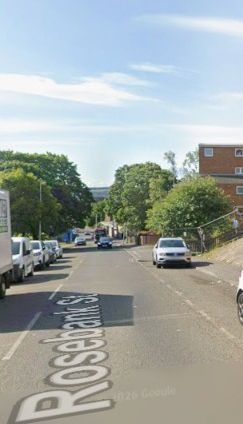
Rosebank St., Dundee
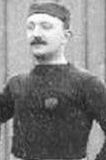
James Smart
He had been born actually in the City of Discovery itself and in 1862, becoming Secretary and Treasurer of Strathmore F.C., founded already in 1874 and then President in 1882, playing regularly for the team until his departure. And on his return, probably in 1896 he would be a jute manufacturer in his own right and said also to be a member of the match committee now of Dundee.
_________________________________________________________________________________________________________
Paisley 1888
Over the second half of the 19th Century there was a gradual movement towards the merger of the Coats and Clarks thread operations. From 1889 they coperated through what was called the Central Agency and, following the death of John Clark, full amalgamation took place. Abercorn F.C. was no different. In fact its pre-dated it. By 1888, whilst Major Coats was still Honorary President, Stewart Clark, John Clark's younger brother, was already one of the Patrons.
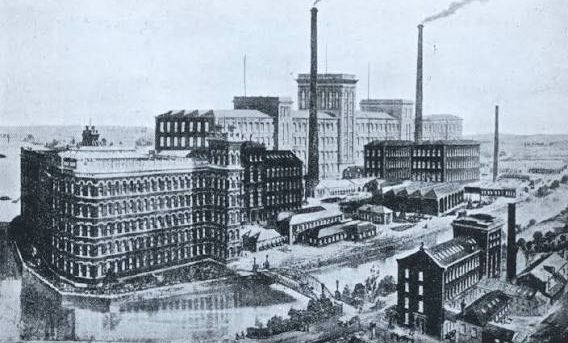
Anchor Mill, Paisley
_________________________________________________________________________________________________________
Elgin 1797 and Seville, Andalucia, Spain 1890
In 1800 Alexander Johnston had established a woolen mill on the banks of the Lossie River in Elgin. The New Mill is still there, Scotland's only remaining vertical weaving mill. He was originally from by Aberdeen, had found his way to Moray, there working in another woolen mill before at the age of twenty-three in 1797 setting up on his own and from then until his death in 1864 still in Elgin building a substantial business. In the meantime he had married twice, his second wife being Mary McAndrew, daughter of James McAndrew, Elgin-born and part of the family that had founded the McAndrew Shipping Line that plied mainly between Britain and Spain.
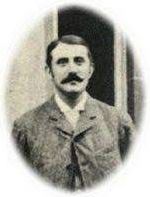
Edward Farquharson Johnston
On the death of Alexander Johnston the firm was taken on by his son, James, and then in turn by the elder of his also locally-born sons, Charles Johnston, whose younger brother was Edward Farquharson Johnston. And it was he, who would join not Johnstons but McAndrews, being posted to Seville, there becoming the British Vice-Consul and also Spain's first official football "referee".
In 1890 the Seville British Club issued a challenge to what is still Spain's oldest, existing football club, Recreativo de Huelva. The first of a series of matches took place in Seville in March that same year. It is the first football game in Spain that is officially recognised. Seville won 2-0 with Farquharson Johnston not the man with the whistle because until 1891 the on-field officials, one chosen by each side, were umpires, the "arbitro" sitting in the stand as just that, an arbiter should the umpires disagree.
But Farquharson Johnston would in adopted country referee on several more occasion, the last said to have been in 1908 when by and at the age of fifty-four he would have had to run around for the full ninety minutes.
_________________________________________________________________________________________________________
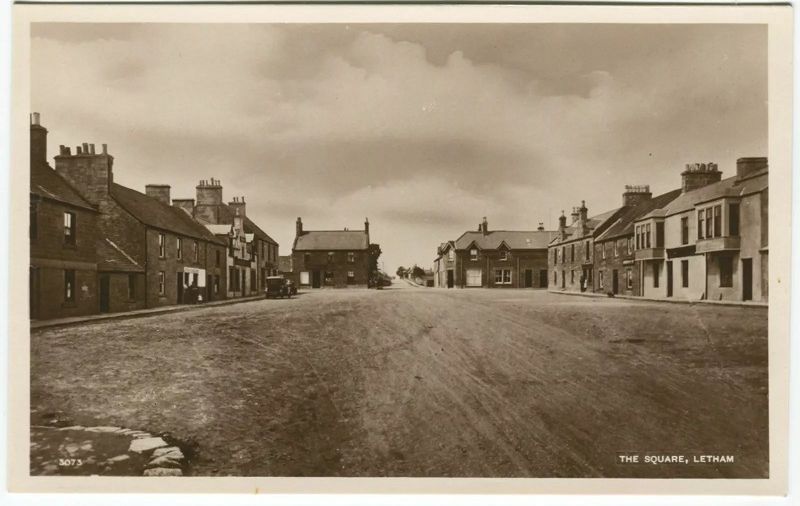
The Square, Letham
Geo Davidson, Genoa, Italy 1897
Within little more than a year two, in their different ways, pivotal figures in football, one in Scotand and England, the other in Italy, were born on The Square in Letham in Angus. Second in October 1866 was be John Edward "Ned" Doig, future Scotland goalkeeper on five occasions. And the first in September 1865 had been George "Geo" Davidson, champion cyclist and pioneer of the professionalisation of "calcio".
Moreover, whilst Ned Doig's father was the local shoeaker, Geo Davidson's was at the time a Dresser in a Linen Factory, who had worked in the linen trade in France, would do so again and by 1871 was the Manager of a Linen Factory in Arbroath. And it was probably linen too, perhaps also canvas that prompted by 1873 the family's next move, to Novi Ligure in nothern Italy and a centre of its textile trade.
However, it was probably the replacement by steamship of the sailing ship tha meant a new change of direction and the family moving to Genoa. And it was from there the young George would in 1886, still on a penny-farthing, become Italy's second ever champion, cycling road-racer. And there in 1913, having joined its Board a decade earlier, he became President of the British-founded, and as it still known today, Genoa Cricket and Football Club.
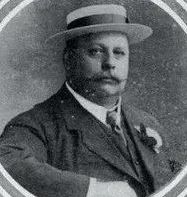
Geo Davidson
And once in place he would be instrumental in the recruitment of what were Italian players paid-to-pay, rather than as appears to have been previously the case with foreign, mainly British ones. The result, although there was considerable resistence, was de facto much of Northenr talian football being at least semi-professional by the time he stepped down in 1920 and openly prefessional in 1927.
_________________________________________________________________________________________________________
Gothenburg, Sweden
From originally Chinese silk and by the middle of the 19th Century would come the mechanised prodction of lace from cotton-thread with the two centres in Britain being Nottingham and Ayrshire's Irvine Valley, particularly Newmilns and it neighbouring village of Darvel.
Moreover, a generation later those same techniques would start to spead abroad.
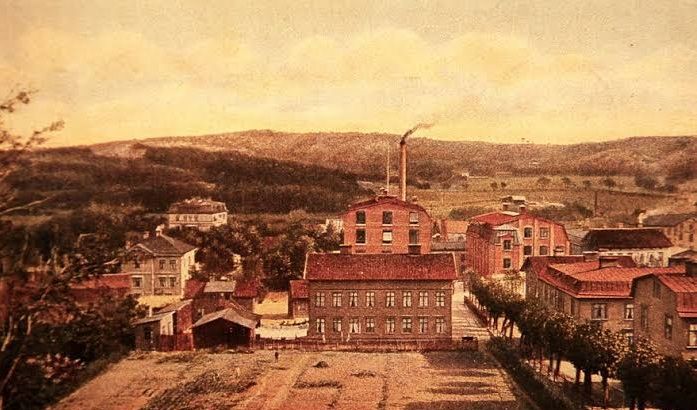
Swedish Curtain-Factory
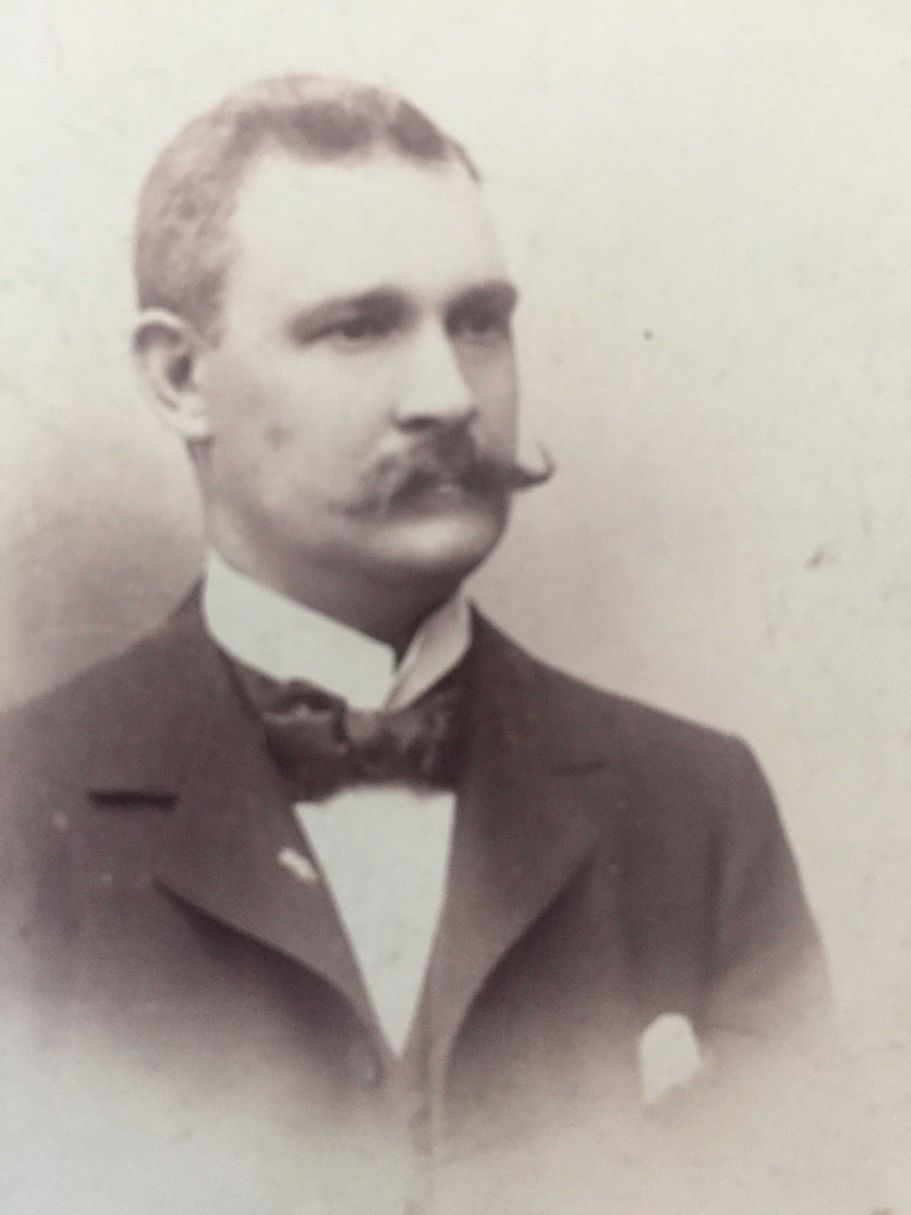
John Thomson
XXXXXXXXXXXXXXXXXXXXXXXXXXXXXXXXXXXXXXXXXXXXXXXXXXXXXXXXXXXXXXXXXXXXXXXXXXXXXXXXXXXXXXXXXXXXXXXXXXXXXXXXXXXXXXXXXXXXXXXXXXXXXXXXXXXXXXXXXXXXXXXXXXXXXXXXXXXXXXXXXXXXXXXXXXXXXXXXXXXXXXXXXXXXXXXXXXXXXXXXXXXXXXXXXXXXXXXXXXXXXXXXXXXXXXXXXXXXXXXXXXXXXXXXXXXXXXXXXXXXXXXXXXXXXXXXXXXXXXXXXXXXXXXXXXXXXXXXXXXXXXXXXXXXXXXXXXXXXXXXXXXXXXXXXX
Borgonya, Catalonia, Spain
In 1890 the Seville British Club issued a challenge to what is still Spain's oldest, existing football club, Recreativo de Huelva. The first of a series of matched took place in Seville in March that same year. It is the first football game in Spain that is officially recognised. Seville won 2-0. Farquharson Johnston was the man with the whistle.
XXXXXXXXXXXXXXXXXXXXXXXXXXXXXXXXXXXXXXXXXXXXXXXXXXXXXXXXXXXXXXXXXXXXXXXXXXXXXXXXXXXXXXXXXXXXXXXXXXXXXXXXXXXXXXXXXXXXXXXXXXXXXXXXXXXXXXXXXXXXXXXXXXXXXXXXXXXXXXXXXXXXXXXXXXXXXXXXXXXXXXXXXXXXXXXXXXXXXXXXXXXXXXXXXXXXXXXXXXXXXXXXXXXXXXXXXXXXXXXXXXXXXXXXXXXXXXXXXXXXXXXXXXXXXXXXXXXXXXXXXXXXXXXXXXXXXXXXXXXXXXXXXXXXXXXXXXXXXXXXXXXXXXXXXXXXXXXXXXXXXXXXXXXXXXXXXXXXXXXXXXXXXXXXXXXXXXXXXXXXXXXXXXXXXXXXXXXXXXXXXXXXXXXXXXXXXXXXXXXXXXXXXXXXXXXXXXXXXXXXXXXXXXXXXXXXXXXXXXXXXXXXXXXXXXXXXXXXXXXXXXXXXXXXXXXXXXXXXXXXXXXXXXXXXXXXXXXXXXXXXXXXXXXXXXXXXXXXXXXXXXXXXXXXXXXXXXXXXXXXXXXXXXXXXXXXXXXXXXXXXXXXXXXXXXXXXXXXXXXX
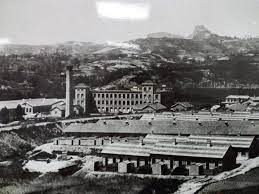
Coats Mill, Borgonya
George Cochran
XXXXXXXXXXXXXXXXXXXXXXXXXXXXXXXXXXXXXXXXXXXXXXXXXXXXXXXXXXXXXXXXXXXXXXXXXXXXXXXXXXXXXXXXXXXXXXXXXXXXXXXXXXXXXXXXXXXXXXXXXXXXXXXXXXXXXXXXXXXXXXXXXXXXXXXXXXXXXXXXXXXXXXXXXXXXXXXXXXXXXXXXXXXXXXXXXXXXXXXXXXXXXXXXXXXXXXXXXXXXXXXXXXXXXXXXXXXXXXXXXXXXXXXXXXXXXXXXXXXXXXXXXXXXXX
Barcelona, Catalonia, Spain
In 1890 the Seville British Club issued a challenge to what is still Spain's oldest, existing football club, Recreativo de Huelva. The first of a series of matched took place in Seville in March that same year. It is the first football game in Spain that is officially recognised. Seville won 2-0. Farquharson Johnston was the man with the whistle.
XXXXXXXXXXXXXXXXXXXXXXXXXXXXXXXXXXXXXXXXXXXXXXXXXXXXXXXXXXXXXXXXXXXXXXXXXXXXXXXXXXXXXXXXXXXXXXXXXXXXXXXXXXXXXXXXXXXXXXXXXXXXXXXXXXXXXXXXXXXXXXXXXXXXXXXXXXXXXXXXXXXXXXXXXXXXXXXXXXXXXXXXXXXXXXXXXXXXXXXXXXXXXXXXXXXXXXXXXXXXXXXXXXXXXXXXXXXXXXXXXXXXXXXXXXXXXXXXXXXXXXXXXXXXXXXXXXXXXXXXXXXXXXXXXXXXXXXXXXXXXXXXXXXXXXXXXXXXXXXXXXXXXXXXXXXXXXXXXXXXXXXXXXXXXXXXXXXXXXXXXXXXXXXXXXXXXXXXXXXXXXXXXXXXXXXXXXXXXXXXXXXXXXXXXXXXXXXXXXXXXXXXXXXXXXXXXXXXXXXXXXXXXXXXXXXXXXXXXXXXXXXXXXXXXXXXXXXXXXXXXXXXXXXXXXXXXXXXXXXXXXXXXXXXXXXXXXXXXXXXXXXXXXXXXXXXXXXXXXXXXXXXXXXXXXXXXXXXXXXXXXXXXXXXXXXXXXXXXXXXXXXXXXXXXXXXXXXXXXXXXXXXXXXXXXXXXXXXXXXXXXXXXXXXXXXXXXXXXXXXXXXXXXXXXXXXXXXXXXXXXXXXXXXXXXXXXXXXXXXXXXXXXXXXXXXXXXXXXXXXXXXXXXXXXXXXXXXXXXXX
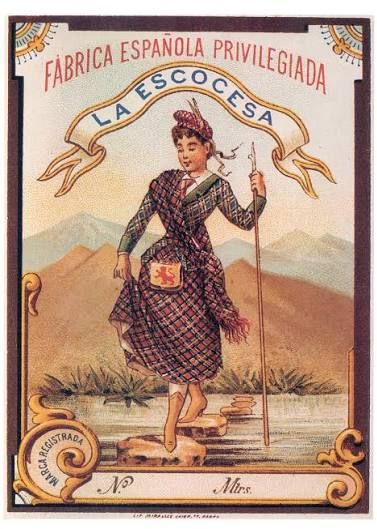
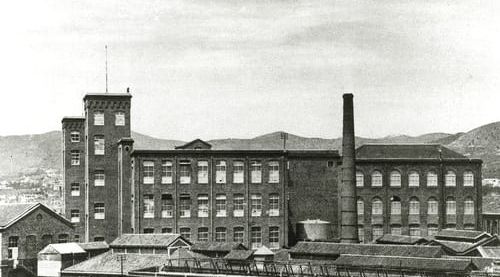
Fabri i Coats, Sant Andreu, Barcelona
XXXXXXXXXXXXXXXXXXXXXXXXXXXXXXXXXXXXXXXXXXXXXXXXXXXXXXXXXXXXXXXXXXXXXXXXXXXXXXXXXXXXXXXXXXXXXXXXXXXXXXXXXXXXXXXXXXXXXXXXXXXXXXXXXXXXXXXXXXXXXXXXXXXXXXXXXXXXXXXXXXXXXXXXXXXXXXXXXXXXXXXXXXXXXXXXXXXXXXXXXXXXXXXXXXXXXXXXXXXXXXXXXXXXXXXXXXXXXXXXXXXXXXXXXXXXXXXXXXXXXXXXXXXXXX
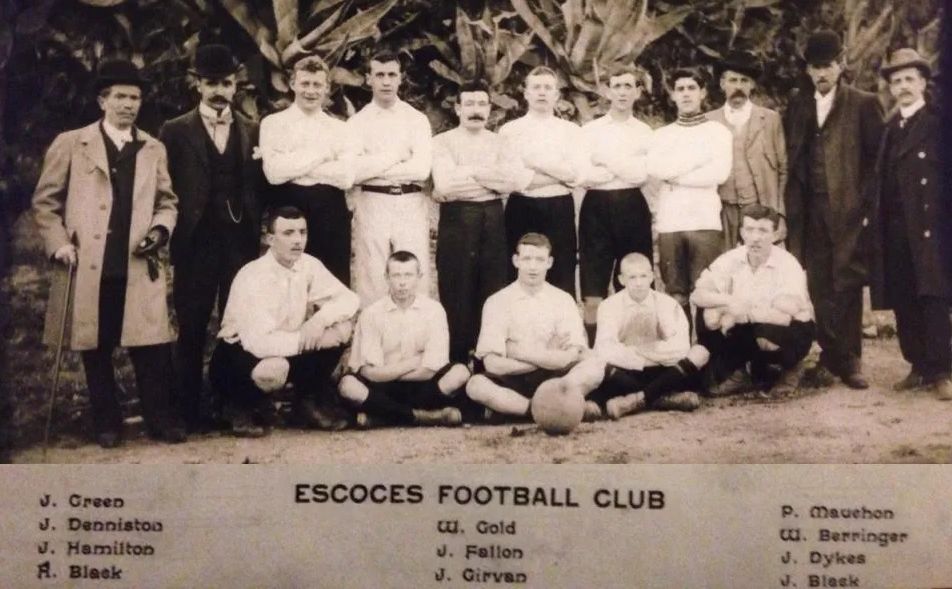
Ipiranga, Sao Paulo, Brazil
XXXXXXXXXXXXXXXXXXXXXXXXXXXXXXXXXXXXXXXXXXXXXXXXXXXXXXXXXXXXXXXXXXXXXXXXXXXXXXXXXXXXXXXXXXXXXXXXXXXXXXXXXXXXXXXXXXXXXXXXXXXXXXXXXXXXXXXXXXXXXXXXXXXXXXXXXXXXXXXXXXXXXXXXXXXXXXXXXXXXXXXXXXXXXXXXXXXXXXXXXXXXXXXXXXXXXXXXXXXXXXXXXXXXXXXXXXXXXXXXXXXXXXXXXXXXXXXXXXXXXXXXXXXXXXXXXXXXXXXXXXXXXXXXXXXXXXXXXXXXXXXXXXXXXXXXXXXXXXXXXXXXXXXXXXXXXXXXXXXXXXXXXXXXXXXXXXXXXXXXXXXXXXXXXXXXXXXXXXXXXXXXXXXXXXXXXXXXXXXXXXXXXXXXXXXXXXXXXXXXXXXXXXXXXXXXXXXXXXXXXXXXXXXXXXXXXXX
XXXXXXXXXXXXXXXXXXXXXXXXXXXXXXXXXXXXXXXXXXXXXXXXXXXXXXXXXXXXXXXXXXXXXXXXXXXXXXXXXXXXXXXXXXXXXXXXXXXXXXXXXXXXXXXXXXXXXXXXXXXXXXXXXXXXXXXXXXXXXXXXXXXXXXXXXXXXXXXXXXXXXXXXXXXXXXXXXXXXXXXXXXXXXXXXXXXXXXXXXXXXXXXXXXXXXXXXXXXXXXXXXXXXXXXXXXXXXXXXXXXXXXXXXXXXXXXXXXXXXXXXXXXXXXXXXXXXXXXXXXXXXXXXXXXXXXXXXXXXXXXXXXXXXXXXXXXXXXXXXXXXXXXXXXXXXXXXXXXXXXXXXXXXXXXXXXXXXXXXXXXXXXXXXXXXXXXXXXXXXXXXXXXXXXXXXXXXXXXXXXXXXXXXXXXXXXXXXXXXXXXXXXXXXXXXXXXXXXXXXXXXXXXXXXXXXXXXXXXXXXXXXXXXXXXXXXXXXXXXXXXXXXXXXXXXXXXXXXXXXXXXXXXXXXXXXXXXXXXXXXXXXXXXXXXXXXXXXXXXXXXXXXXXXXXXXXXXXXXXXXXXXXXXXXXXXXXXXXXXXXXXXXXXXXXXXXXXXXXXXXXXXXXXXXXXXXXXXXXXXXXXXXXXXXXXXXXXXXXXXXXXXXXXXXXXXXXXXXXXXXXXXXXXXXXXXXXXXXXXXXXXXXXXXXXXXXXXXXXXXXXXXXXXXXXXXXXXXXXXXXXXXXXXXXXXXXXXXXXXXXXXXXXXXXXXXXXXXXXXXXXXXXXXXXXXXXXXXXXXXXXXXXXXXXXXXXXXXXXXXXXXXXXXXXXXXXXXXXXXXXXXXXXXXXXXXXXXXXXXXXXXXXXXXXXXXXXXXXXXXXXXXXXXXXXXXXXXXXXXXXXXXXXXXXXXXXXXXXXXXXXXXXXXXXXXXXXXXXXXXXXXXXXXXXXXXXXXXXXXXXXXXXXXXXXXXXXXXXXXXXXXXXXXXXXXXXXXXXXXXXXXXXXXXXXXXXXXXXXXXXXXXXXXXXXXXXXXXXXXXXXXXXXXXXXXXXXXXXXXXXXXXXXXXXXXXXXXXXXXXXXXXXXXXXXXXXXXXXXXXXXXXXXXXXXXXXXXXXXXXXXXXXXXXXXXXXXXXXXXXXXXXXXXXXXXXXXXXXXXXXXXXXXXXXXXXXXXXXXXXXXXXXXXXXXXXXXXXXXXXXXXXXXXXXXXXXXXXXXX
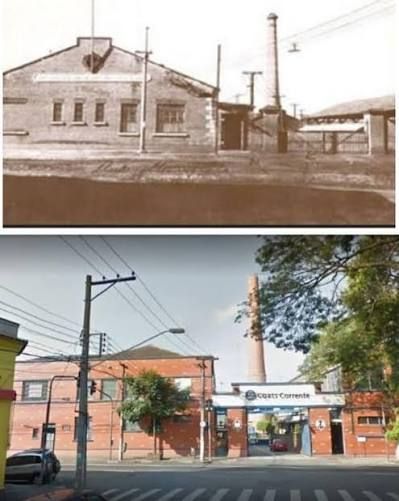
Coats Corrente, Ipiranga, Sao Paulo
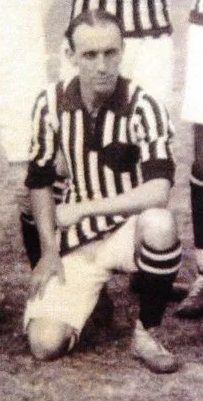
Archie McLean
XXXXXXXXXXXXXXXXXXXXXXXXXXXXXXXXXXXXXXXXXXXXXXXXXXXXXXXXXXXXXXXXXXXXXXXXXXXXXXXXXXXXXXXXXXXXXXXXXXXXXXXXXXXXXXXXXXXXXXXXXXXXXXXXXXXXXXXXXXXXXXXXXXXXXXXXXXXXXXXXXXXXXXXXXXXXXXXXXXXXXXXXXXXXXXXXXXXXXXXXXXXXXXXXXXXXXXXXXXXXXXXXXXXXXXXXXXXXXXXXXXXXXXXXXXXXXXXXXXXXXXXXXXXXXXXXXXXXXXXXXXXXXXXXXXXXXXXXXXXXXXXXXXXXXXXXXXXXXXXXXXXXXXXXXXXXXXXXXXXXXXXXXXXXXXXXXXXXXXXXXXXXXXXXXXXXXXXXXXXXXXXXXXXXXXXXXXXXXXXXXXXXXXXXXXXXXXXXXXXX
Lucca, Italy
XXXXXXXXXXXXXXXXXXXXXXXXXXXXXXXXXXXXXXXXXXXXXXXXXXXXXXXXXXXXXXXXXXXXXXXXXXXXXXXXXXXXXXXXXXXXXXXXXXXXXXXXXXXXXXXXXXXXXXXXXXXXXXXXXXXXXXXXXXXXXXXXXXXXXXXXXXXXXXXXXXXXXXXXXXXXXXXXXXXXXXXXXXXXXXXXXXXXXXXXXXXXXXXXXXXXXXXXXXXXXXXXXXXXXXXXXXXXXXXXXXXXXXXXXXXXXXXXXXXXXXXXXXXXXXXXXXXXXXXXXXXXXXXXXXXXXXXXXXXXXXXXXXXXXXXXXXXXXXXXXXXXXXXXXXXXXXXXXXXXXXXXXXXXXXXXXXXXXXXXXXXXXXXXXXXXXXXXXXXXXXXXXXXXXXXXXXXXXXXXXXXXXXXXXXXXXXXXXXXXXXXXXXXXXXXXXXXXXXXXXXXXXXXXXXXXXXXXXXXXXXXXXXXXXXXXXXXXXXXXXXXXXXXXXXXXXXXXXXXXXXXXXXXXXXXXXXXXXXXXXXXXXXXXXXXXXXXXXXXXXXXXXX
XXXXXXXXXXXXXXXXXXXXXXXXXXXXXXXXXXXXXXXXXXXXXXXXXXXXXXXXXXXXXXXXXXXXXXXXXXXXXXXXXXXXXXXXXXXXXXXXXXXXXXXXXXXXXXXXXXXXXXXXXXXXXXXXXXXXXXXXXXXXXXXXXXXXXXXXXXXXXXXXXXXXXXXXXXXXXXXXXXXXXXXXXXXXXXXXXXXXXXXXXXXXXXXXXXXXXXXXXXXXXXXXXXXXXXXXXXXXXXXXXXXXXXXXXXXXXXXXXXXXXXXXXXXXXXXXXXXXXXXXXXXXXXXXXXXXXXXXXXXXXXXXXXXXXXXXXXXXXXXXXXXXXXXXXXXXXXXXXXXXXXXXXXXXXXXXXXXXXXXXXXXXXXXXXXXXXXXXXXXXXXXXXXXXXXXXXXXXXXXXXXXXXXXXXXXXXXXXXXXXXXXXXXXXXXXXXXXXXXXXXXXXXXXXXXXXXXXXXXXXXXXXXXXXXXXXXXXXXXXXXXXXXXXXXXXXXXXXXXXXXXXXXXXXXXXXXXXXXXXXXXXXXXXXXXXXXXXXXXXXXXXXXXXXXXXXXXXXXXXXXXXXXXXXXXXXXXXXXXXXXXXXXXXXXXXXXXXXXXXXXXXXXXXXXXXXXXXXXXXXXXXXXXXXXXXXXXXXXXXXXXXXXXXXXXXXXXXXXXXXXXXXXXXXXXXXXXXXXXXXXXXXXXXXXXXXXXXXXXXXXXXXXXXXXXXXXXXXXXXX
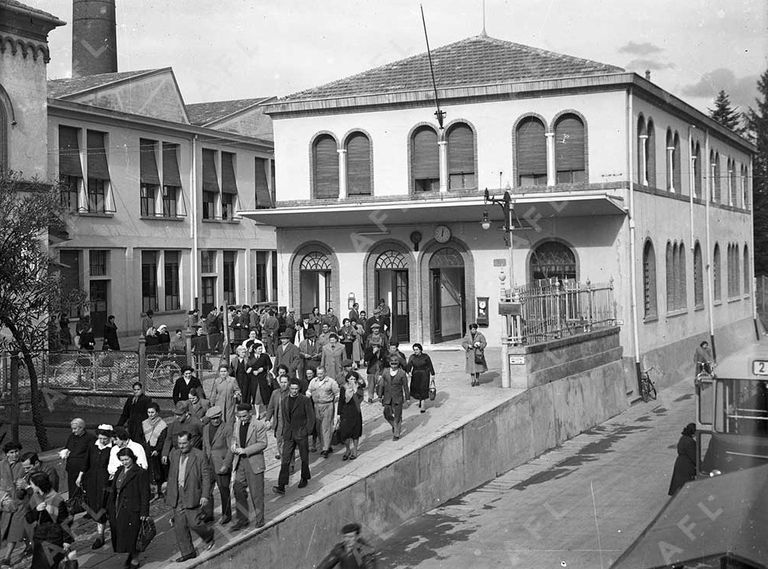
Cucirini Cantoni Coats, Lucca
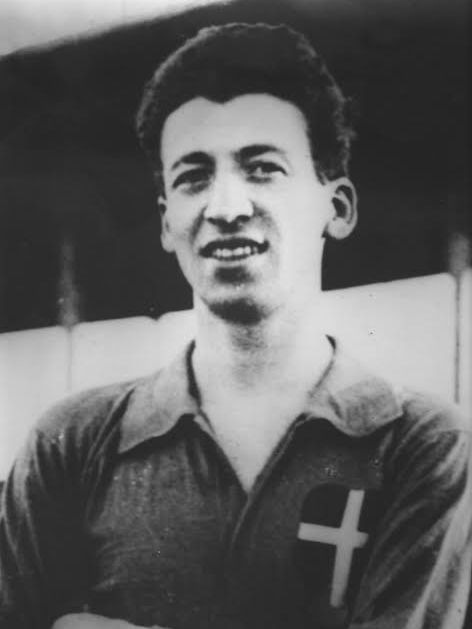
Johnny Moscardini
XXXXXXXXXXXXXXXXXXXXXXXXXXXXXXXXXXXXXXXXXXXXXXXXXXXXXXXXXXXXXXXXXXXXXXXXXXXXXXXXXXXXXXXXXXXXXXXXXXXXXXXXXXXXXXXXXXXXXXXXXXXXXXXXXXXXXXXXXXXXXXXXXXXXXXXXXXXXXXXXXXXXXXXXXXXXXXXXXXXXXXXXXXXXXXXXXXXXXXXXXXXXXXXXXXXXXXXXXXXXXXXXXXXXXXXXXXXXXXXXXXXXXXXXXXXXXXXXXXXXXXXXXXXXXXXXXXXXXXXXXXXXXXXXXXXXXXXXXXXXXXXXXXXXXXXXXXXXXXXXXXXXXXXXXX
XXXXXXXXXXXXXXXXXXXXXXXXXXXXXXXXXXXXXXXXXXXXXXXXXXXXXXXXXXXXXXXXXXXXXXXXXXXXXXXXXXXXXXXXXXXXXXXXXXXXXXXXXXXXXXXXXXXXXXXXXXXXXXXXXXXXXXXXXXXXXXXXXXXXXXXXXXXXXXXXXXXXXXXXXXXXXXXXXXXXXXXXXXXXXXXXXXXXXXXXXXXXXXXXXXXXXXXXXXXXXXXXXXXXXXXXXXXXXXXXXXXXXXXXXXXXXXXXXXXXXXXXXXXXXXXXXXXXXXXXXXXXXXXXXXXXXXXXXXXXXXXXXXXXXXXXXXXXXXXXXXXXXXXXXXXXXXXXXXXXXXXXXXXXXXXXXXXXXXXXXXXXXXXXXXXXXXXXXXXXXXXXXXXXXXXXXXXXXXXXXXXXXXXXXXXXXXXXXXXXXXXXXXXXXXXXXXXXXXXXXXXXXXXXXXXXXXXXXXXXXXXXXXXXXXXXXXXXXXXXXXXXXXXXXXXXXXXXXXXXXXXXXXXXXXXXXXXXXXXXXXXXXXXXXXXXXXXXXXXXXXXXXXXXXXXXXXXXXXXXXXXXXXXXXXXXXXXXXXXXXXXXXXXXXXXXXXXXXXXXXXXXXXXXXXXXXXXXXXXXXXXXXXXXXXXXXXXXXXXXXXXXXXXXXXXXXXXXXXXX
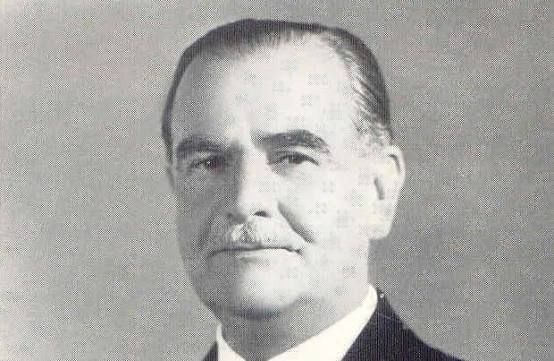
James Henderson
Pawtucket, Rhode Island, USA
In 1890 the Seville British Club issued a challenge to what is still Spain's oldest, existing football club, Recreativo de Huelva. The first of a series of matched took place in Seville in March that same year. It is the first football game in Spain that is officially recognised. Seville won 2-0. Farquharson Johnston was the man with the whistle.
XXXXXXXXXXXXXXXXXXXXXXXXXXXXXXXXXXXXXXXXXXXXXXXXXXXXXXXXXXXXXXXXXXXXXXXXXXXXXXXXXXXXXXXXXXXXXXXXXXXXXXXXXXXXXXXXXXXXXXXXXXXXXXXXXXXXXXXXXXXXXXXXXXXXXXXXXXXXXXXXXXXXXXXXXXXXXXXXXXXXXXXXXXXXXXXXXXXXXXXXXXXXXXXXXXXXXXXXXXXXXXXXXXXXXXXXXXXXXXXXXXXXXXXXXXXXXXXXXXXXXXXXXXXXXXXXXXXXXXXXXXXXXXXXXXXXXXXXXXXXXXXXXXXXXXXXXXXXXXXXXXXXXXXXXXXXXXXXXXXXXXXXXXXXXXXXXXXXXXXXXXXXXXXXXXXXXXXXXXXXXXXXXXXXXXXXXXXXXXXXXXXXXXXXXXXXXXXXXXXXXXXXXXXXXXXXXXXXXXXXXXXXXXXXXXXXXXXXXXXXXXXXXXXXXXXXXXXXXXXXXXXXXXXXXXXXXXXXXXXXXXXXXXXXXXXXXXXXXXXXXXXXXXXXXXXXXXXXXXXX
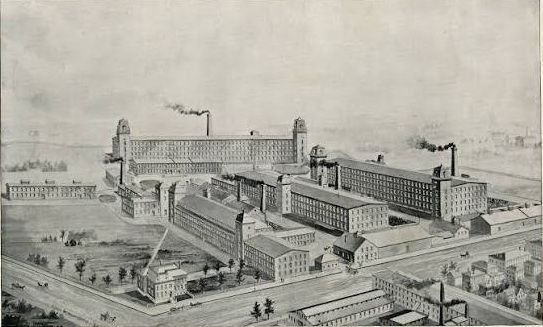
Conant Mill, Pawtucket
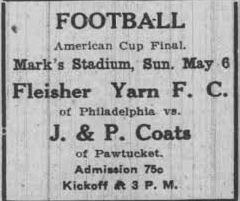
XXXXXXXXXXXXXXXXXXXXXXXXXXXXXXXXXXXXXXXXXXXXXXXXXXXXXXXXXXXXXXXXXXXXXXXXXXXXXXXXXXXXXXXXXXXXXXXXXXXXXXXXXXXXXXXXXXXXXXXXXXXXXXXXXXXXXXXXXXXXXXXXXXXXXXXXXXXXXXXXXXXXXXXXXXXXXXXXXXXXXXXXXXXXXXXXXXXXXXXXXXXXXXXXXXXXXXXXXXXXXXXXXXXXXXXXXXXXXXXXXXXXXXXXXXXXXXXXXXXXXXXXXXXXXX
Westerley, Rhode Island, USA
XXXXXXXXXXXXXXXXXXXXXXXXXXXXXXXXXXXXXXXXXXXXXXXXXXXXXXXXXXXXXXXXXXXXXXXXXXXXXXXXXXXXXXXXXXXXXXXXXXXXXXXXXXXXXXXXXXXXXXXXXXXXXXXXXXXXXXXXXXXXXXXXXXXXXXXXXXXXXXXXXXXXXXXXXXXXXXXXXXXXXXXXXXXXXXXXXXXXXXXXXXXXXXXXXXXXXXXXXXXXXXXXXXXXXXXXXXXXXXXXXXXXXXXXXXXXXXXXXXXXXXXXXXXXXXXXXXXXXXXXXXXXXXXXXXXXXXXXXXXXXXXXXXXXXXXXXXXXXXXXXXXXXXXXXXXXXXXXXXXXXXXXXXXXXXXXXXXXXXXXXXXX
XXXXXXXXXXXXXXXXXXXXXXXXXXXXXXXXXXXXXXXXXXXXXXXXXXXXXXXXXXXXXXXXXXXXXXXXXXXXXXXXXXXXXXXXXXXXXXXXXXXXXXXXXXXXXXXXXXXXXXXXXXXXXXXXXXXXXXXXXXXXXXXXXXXXXXXXXXXXXXXXXXXXXXXXXXXXXXXXXXXXXXXXXXXXXXXXXXXXXXXXXXXXXXXXXXXXXXXXXXXXXXXXXXXXXXXXXXXXXXXXXXXXXXXXXXXXXXXXXXXXXXXXXXXXXXXXXXXXXXXXXXXXXXXXXXXXXXXXXXXXXXXXXXXXXXXXXXXXXXXXXXXXXXXXXXXXXXXXXXXXXXXXXXXXXXXXXXXXXXXXXXXXXXXXXXXXXXXXXXXXXXXXXXXXXXXXXXXXXXXXXXXXXXXXXXXXXXXXXXXXXXXXXXXXXXXXXXXXXXXXXXXXXXXXXXXXXXXXXXXXXXXXXXXXXXXXXXXXXXXXXXXXXXXXXXXXXXXXXXXXXXXXXXXXXXXXXXXXXXXXXXXXXXXXXXXXXXXXXXXX
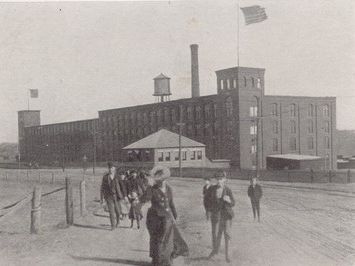
Clarl Thread Mill, Westerly
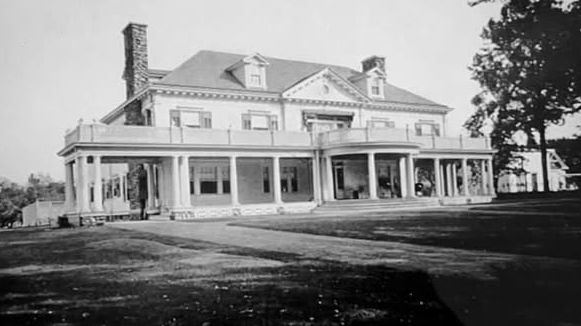
William Clark's House Westerly
XXXXXXXXXXXXXXXXXXXXXXXXXXXXXXXXXXXXXXXXXXXXXXXXXXXXXXXXXXXXXXXXXXXXXXXXXXXXXXXXXXXXXXXXXXXXXXXXXXXXXXXXXXXXXXXXXXXXXXXXXXXXXXXXXXXXXXXXXXXXXXXXXXXXXXXXXXXXXXXXXXXXXXXXXXXXXXXXXXXXXXXXXXXXXXXXXXXXXXXXXXXXXXXXXXXXXXXXXXXXXXXXXXXXXXXXXXXXXXXXXXXXXXXXXXXXXXXXXXXXXXXXXXXXXX
XXXXXXXXXXXXXXXXXXXXXXXXXXXXXXXXXXXXXXXXXXXXXXXXXXXXXXXXXXXXXXXXXXXXXXXXXXXXXXXXXXXXXXXXXXXXXXXXXXXXXXXXXXXXXXXXXXXXXXXXXXXXXXXXXXXXXXXXXXXXXXXXXXXXXXXXXXXXXXXXXXXXXXXXXXXXXXXXXXXXXXXXXXXXXXXXXXXXXXXXXXXXXXXXXXXXXXXXXXXXXXXXXXXXXXXXXXXXXXXXXXXXXXXXXXXXXXXXXXXXXXXXXXXXXXXXXXXXXXXXXXXXXXXXXXXXXXXXXXXXXXXXXXXXXXXXXXXXXXXXXXXXXXXXXXXXXXXXXXXXXXXXXXXXXXXXXXXXXXXXXXXXXXXXXXXXXXXXXXXXXXXXXXXXXXXXXXXXXXXXXXXXXXXXXXXXXXXXXXXXXXXXXXXXXXXXXXXXXXXXXXXXXXXXXXXXXXXXXXXXXXXXXXXXXXXXXXXXXXXXXXXXXXXXXXXXXXXXXXXXXXXXXXXXXXXXXXXXXXXXXXXXXXXXXXXXXXXXXXXXXXXXXXXXXXXXXXXXXXXXXXXXXXXXXXXXXXXXXXXXXXXXXXXXXXXXXXXXXXXXXXXXXXXXXXXXXXXXXXXXXXXXXXXXXXXXXXXXXXXXXXXXXXXXXXXXXXXXXXXXXXXXXXXXXXXXXXXXXXXXXXXXXXXXXXXXXXXXXXXXXXXXXXXXXXXXXXXXXXXXXXXXXXXXXXXXXXXXXXXXXXXXXXXXXXXXXXXXXXXXXXXXXXXXXXXXXXXXXXXXXXXXXXXXXXXXXXXXXXXXXXXXXXXXXXXXXXXXXXXXXXXXXXXXXXXXXXXXXXXX
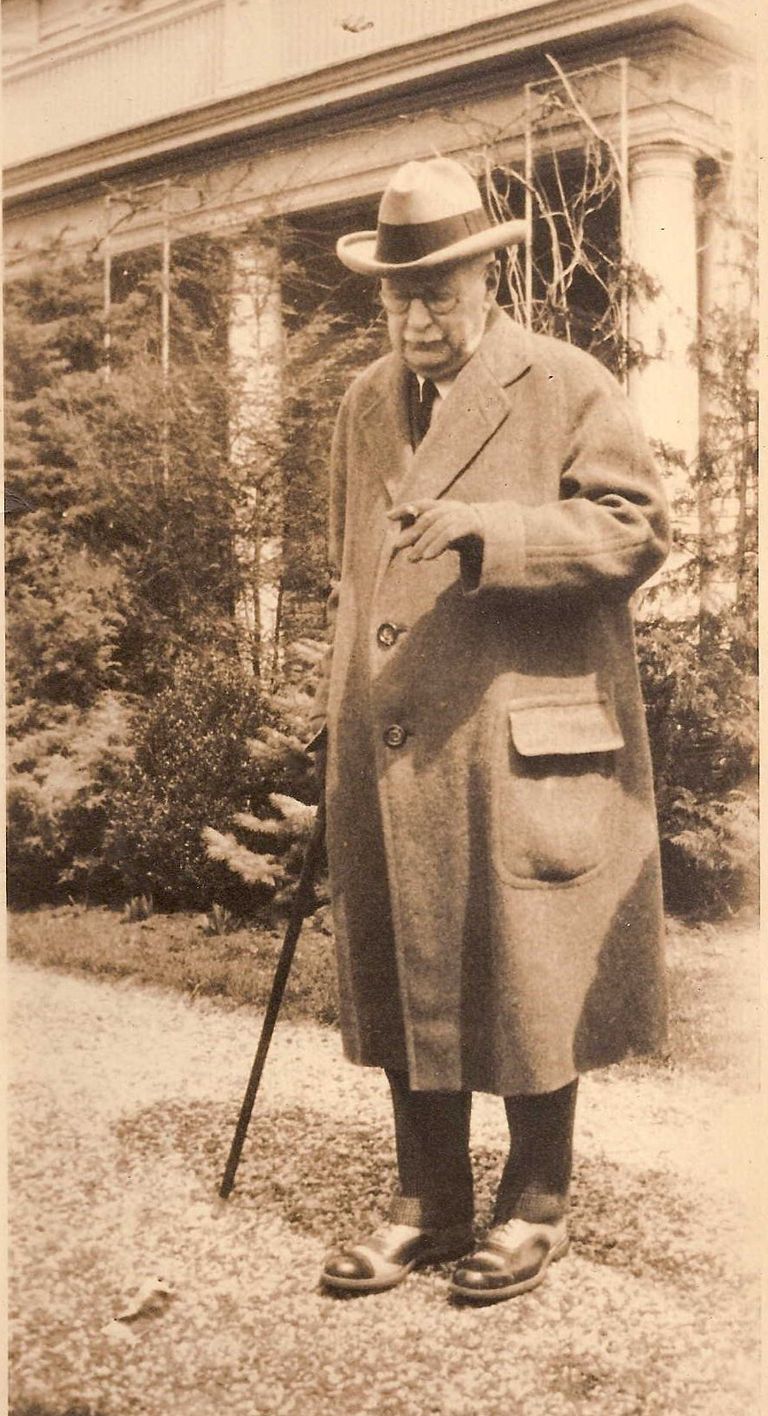
William Clark
Russia
J & P Coats opened in 1889 with involvement with the Naryschkin Mill in St. Petersburg, followed the next year by the same in Nevsky Thread Manufacturing Co..
XXXXXXXXXXXXXXXXXXXXXXXXXXXXXXXXXXXXXXXXXXXXXXXXXXXXXXXXXXXXXXXXXXXXXXXXXXXXXXXXXXXXXXXXXXXXXXXXXXXXXXXXXXXXXXXXXXXXXXXXXXXXXXXXXXXXXXXXXXXXXXXXXXXXXXXXXXXXXXXXXXXXXXXXXXXXXXXXXXXXXXXXXXXXXXXXXXXXXXXXXXXXXXXXXXXXXXXXXXXXXXXXXXXXXXXXXXXXXXXXXXXXXXXXXXXXXXXXXXXXXXXXXXXXXXXXXXXXXXXXXXXXXXXXXXXXXXXXXXXXXXXXXXXXXXXXXXXXXXXXXXXXXXXXXXXXXXXXXXXXXXXXXXXXXXXXXXXXXXXXXXXXXXXXXXXXXXXXXXXXXXXXXXXXXXXXXXXXXXXXXXXXXXXXXXXXXXXXXXXXXXXXXXXXXXXXXXXXXXXXXXXXXXXXXXXXXXX
Orizaba, Mexico
XXXXXXXXXXXXXXXXXXXXXXXXXXXXXXXXXXXXXXXXXXXXXXXXXXXXXXXXXXXXXXXXXXXXXXXXXXXXXXXXXXXXXXXXXXXXXXXXXXXXXXXXXXXXXXXXXXXXXXXXXXXXXXXXXXXXXXXXXXXXXXXXXXXXXXXXXXXXXXXXXXXXXXXXXXXXXXXXXXXXXXXXXXXXXXXXXXXXXXXXXXXXXXXXXXXXXXXXXXXXXXXXXXXXXXXXXXXXXXXXXXXXXXXXXXXXXXXXXXXXXXXXXXXXXXXXXXXXXXXXXXXXXXXXXXXXXXXXXXXXXXXXXXXXXXXXXXXXXXXXXXXXXXXXXXXXXXXXXXXXXXXXXXXXXXXXXXXXXXXXXXXXXXXXXXXXXXXXXXXXXXXXXXXXXXXXXXXXXXXXXXXXXXXXXXXXXXXXXXXXXXXXXXXXXXXXXXXXXXXXXXXXXXXXXXXXXXX
XXXXXXXXXXXXXXXXXXXXXXXXXXXXXXXXXXXXXXXXXXXXXXXXXXXXXXXXXXXXXXXXXXXXXXXXXXXXXXXXXXXXXXXXXXXXXXXXXXXXXXXXXXXXXXXXXXXXXXXXXXXXXXXXXXXXXXXXXXXXXXXXXXXXXXXXXXXXXXXXXXXXXXXXXXXXXXXXXXXXXXXXXXXXXXXXXXXXXXXXXXXXXXXXXXXXXXXXXXXXXXXXXXXXXXXXXXXXXXXXXXXXXXXXXXXXXXXXXXXXXXXXXXXXXXXXXXXXXXXXXXXXXXXXXXXXXXXXXXXXXXXXXXXXXXXXXXXXXXXXXXXXXXXXXXXXXXXXXXXXXXXXXXXXXXXXXXXXXXXXXXXXXXXXXXXXXXXXXXXXXXXXXXXXXXXXXXXXXXXXXXXXXXXXXXXXXXXXXXXXXXXXXXXXXXXXXXXXXXXXXXXXXXXXXXXXXXXXXXXXXXXXXXXXXXXXXXXXXXXXXXXXXXXXXXXXXXXXXXXXXXXXXXXXXXXXXXXXXXXXXXXXXXXXXXXXXXXXXXXXXXXXXXXXXXXXXXXXXXXXXXXXXXXXXXXXXXXXXXXXXXXXXXXXXXXXXXXXXXXXXXXXXXXXXXXXXXXXXXXXXXXXXXXXXXXXXXXXXXXXXXXXXXXXXXXXXXXXXXXX
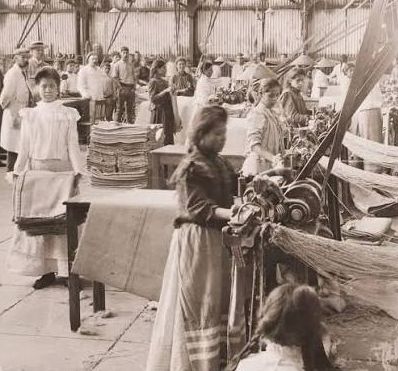
Orizaba Mill
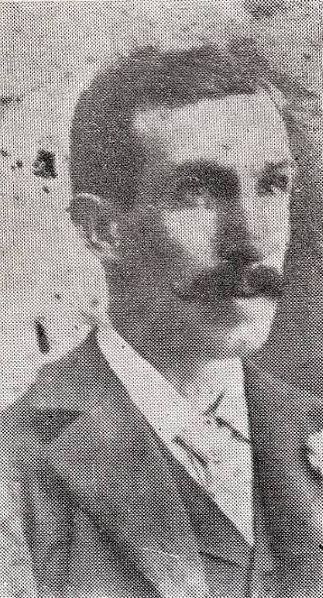
Duncan McComish
XXXXXXXXXXXXXXXXXXXXXXXXXXXXXXXXXXXXXXXXXXXXXXXXXXXXXXXXXXXXXXXXXXXXXXXXXXXXXXXXXXXXXXXXXXXXXXXXXXXXXXXXXXXXXXXXXXXXXXXXXXXXXXXXXXXXXXXXXXXXXXXXXXXXXXXXXXXXXXXXXXXXXXXXXXXXXXXXXXXXXXXXXXXXXXXXXXXXXXXXXXXXXXXXXXXXXXXXXXXXXXXXXXXXXXXXXXXXXXXXXXXXXXXXXXXXXXXXXXXXXXXXXXXXXX
_________________________________________________________________________________________________________
1877 first Honorary President of Abercorn - Thomas Coats 1809-1883 son of James one of founders of Coats Group
and 1881-2
1883 Major Thomas.Glen. Coats 1846-1922 Director of J, & P Coats. second surviving son of Thomas Coats
1884 -
1888 - Patrons Stewart Clark, b 1930, d 1907 Dundas Castle, Linlithgow, Director J & P Coats, son of John Clark and Hon. President Major T. G. Coats
1908 - Patrons Sir T.G. Coats, Stewart Clark, James Coats Jnr., J S Clark son of Stewart Clark, K M Clark, J Oscar M Clark, Vice Pres - Andrew Clark
XXXXXXXXXXXXXXXXXXXXXXXXXXXXXXXXXXXXXXXXXXXXXXXXXXXXXXXXXXXXXXXXXXXXXXXXXXXXXXXXXXXXXXXXXXXXXXXXXXXXXXXXXXXXXXXXXXXXXXXXXXXXXXXXXXXXXXXXXXXXXXXXXXXXXXXXXXXXXXXXXXXXXXXXXXXXXXXXXXXXXXXXXXXXXXXXXXXXXXXXXXXXXXXXXXXXXXXXXXXXXXXXXXXXXXXXXXXXXXXXXXXXXXXXXXXXXXXXXXXXXXXXXXXXXXXXXXXXXXXXXXXXXXXXXXXXXXXXXXXXXXXXXXXXXXXXXXXXXXXXXXXXXXXXXXXXXXXXXXXXXXXXXXXXXXXXXXXXXXXXXXXXXXXXXXXXXXXXXXXXXXXXXXXXXXXXXXXXXXXXXXXXXXXXXXXXXXXXXXXXXXXXXXXXXXXXXXXXXXXXXXXXXXXXXXXXXXXXXXXXXXXXXXXXXXXXXXXXXXXXXXXXXXXXXXXXXXXXXXXXXXXXXXXXXXXXXXXXXXXXXXXXXXXXXXXXXXXXXXXX


XXXXXXXXXXXXXXXXXXXXXXXXXXXXXXXXXXXXXXXXXXXXXXXXXXXXXXXXXXXXXXXXXXXXXXXXXXXXXXXXXXXXXXXXXXXXXXXXXXXXXXXXXXXXXXXXXXXXXXXXXXXXXXXXXXXXXXXXXXXXXXXXXXXXXXXXXXXXXXXXXXXXXXXXXXXXXXXXXXXXXXXXXXXXXXXXXXXXXXXXXXXXXXXXXXXXXXXXXXXXXXXXXXXXXXXXXXXXXXXXXXXXXXXXXXXXXXXXXXXXXXXXXXXXXX
Back to the SFHG Home page